
Test Engineer
Background
Blue Origin is a private space company founded by Jeff Bezos in 2000. Blue's goal is to radically reduce the cost of access to space with extreme reusability, high-performance engine architecture, and vertically integrated manufacturing. The Huntsville Alabama stands out as the core of engine manufacturing and testing. The company has been regularly launching its human-rated New Shepard rocket and recently succeeded in landing the heavy-lift New Glenn rocket on just the second attempt.
My Roles
I have held two distinct roles working at Blue Origin. My first role as a Materials & Process Engineer was directly related to previous co-op experience and was a natural first step into post-undergraduate work. My responsibilities were to streamline and support chemical processing operations at the rocket engine plant. I specialized in cleaning, passivation, and surface treatment.
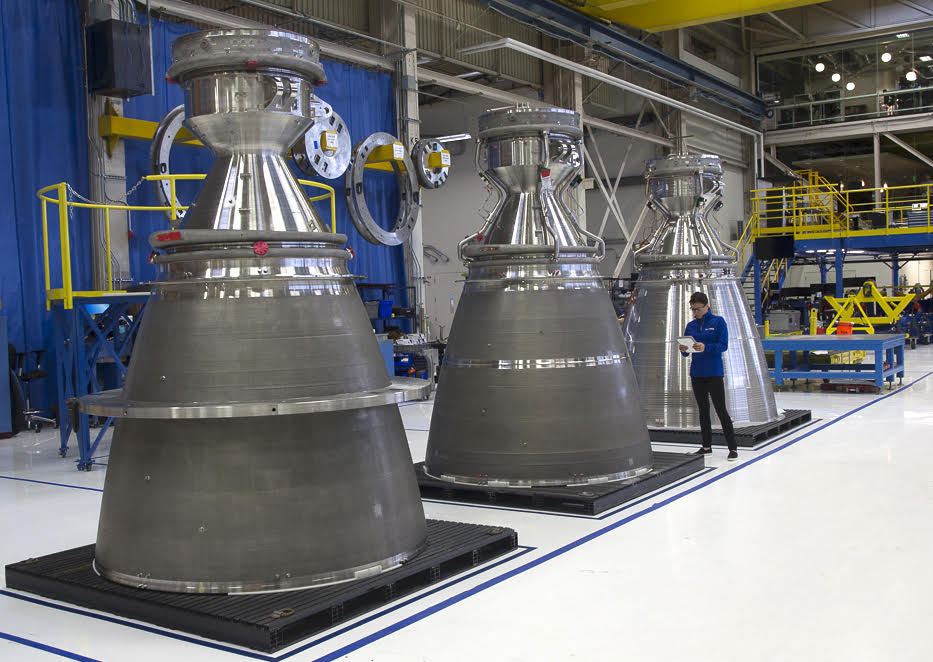
My daily tasks focused on analyzing test results to solve manufacturing issues facing the momentous BE-4 engine, which was under intense schedule pressure. One of my major projects was to use statistical process control (SPC) to improve throughput and increase quality of solvent processing operations. I started by improving the workflow by eliminating redundant paperwork, increasing traceability, and standardizing technician labor. I then developed an analysis tool in SQL and Python to continually assess process performance against ASTM protocols. That enabled rigorous analysis of our process stability and capability where our team could identify critical gaps in our process control and improve our process.
After successfully delivering our orbital payload on NG-1, the company did some unexpected restructuring. Although the temporary break in employment caused by the transition was distressing, it ultimately enabled a trajectory better aligned with my career goals.

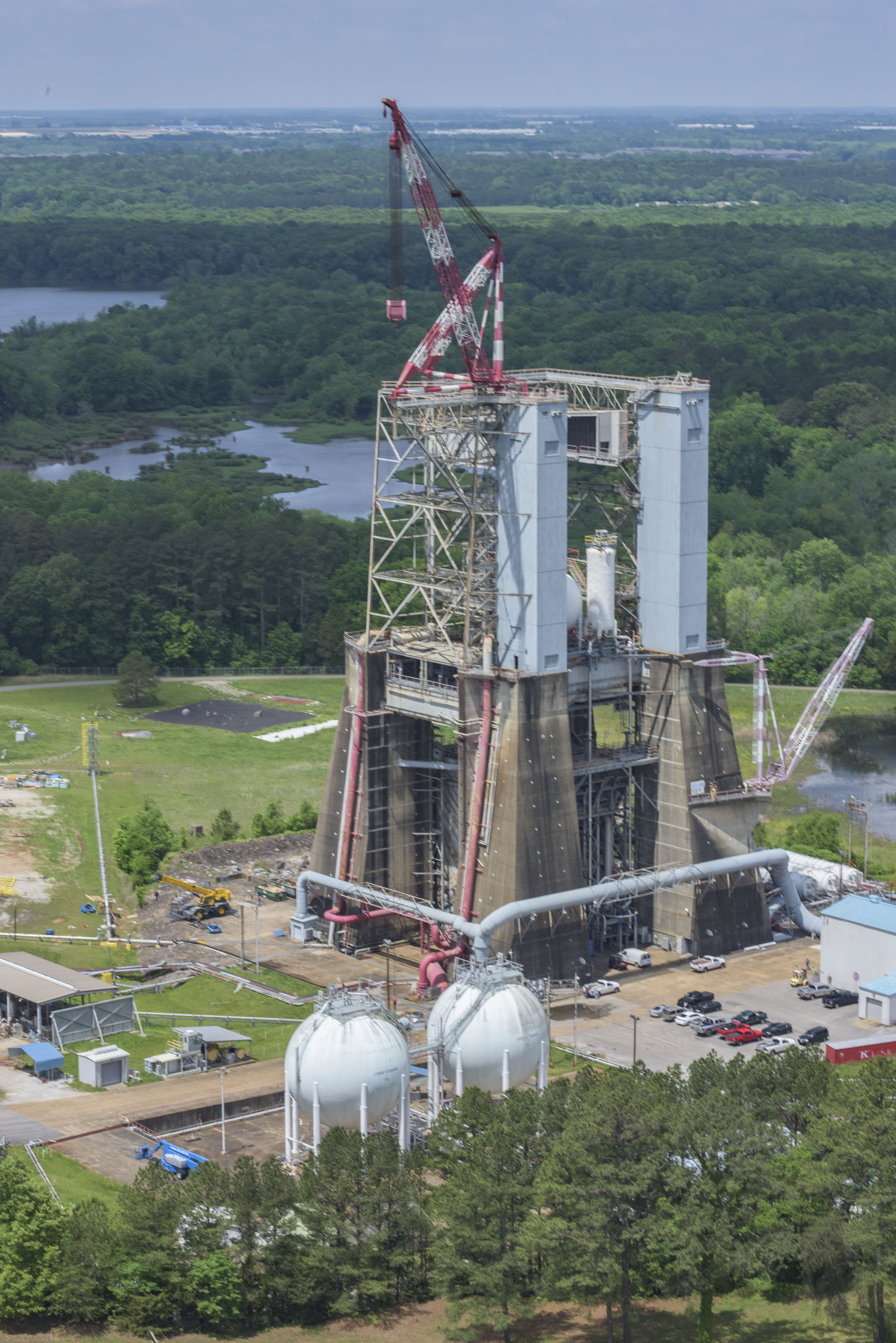
My second role as a Test Engineer at the Redstone Arsenal Army installation has been incredibly exciting and challenging. I work out of Marshall Space Flight Center Test Stand 4670 — the same facility where engineers tested the Saturn V engines that sent humans to the Moon.
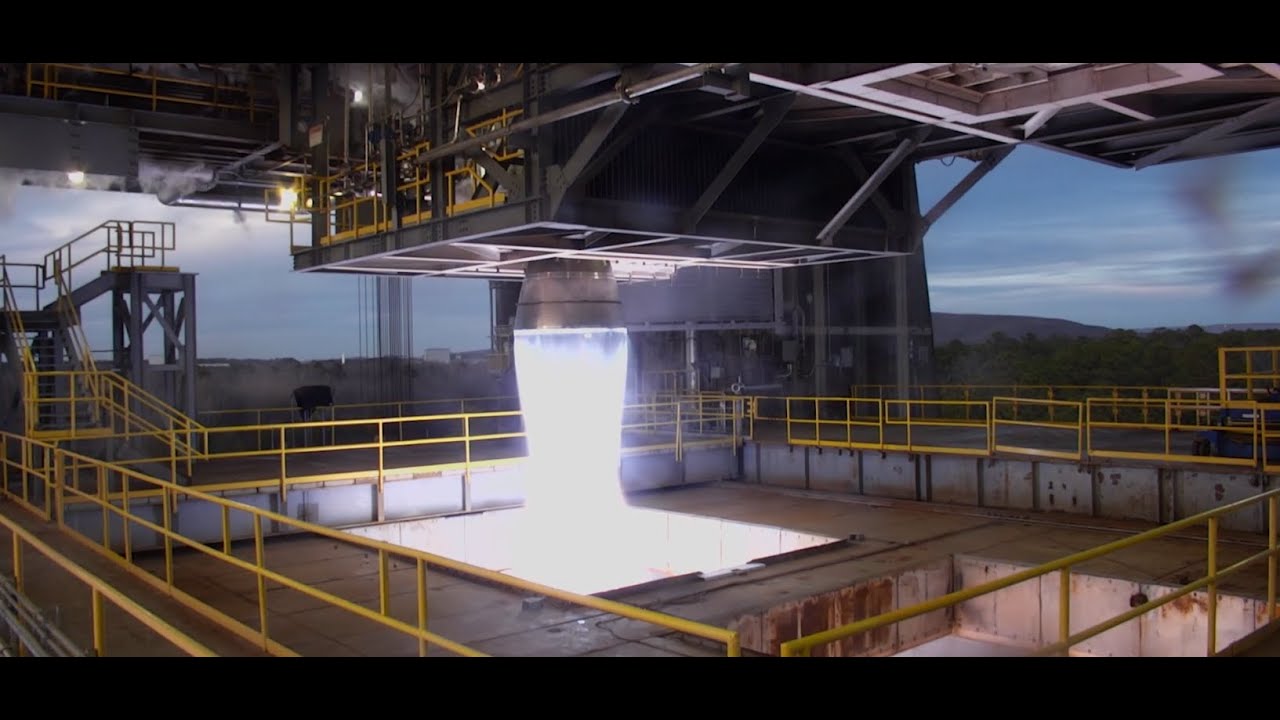
In this role I directly control hotfire operations for the BE-3U HydroLOx and BE-4 MethaLOx rocket engines. This involves active control over thousands of control elements, thermodynamic manipulation of cryogenic propellants, and active coordination between numerous technicians and engineers.
Continual improvement projects cover equipment design, safety analysis, work order authoring, fluid simulation, and control systems programming. Working with thin aerospace design margins, under strict military oversight, on a nearly 24/7 operating cadence present unique challenges that translate well across numerous industries. Test Engineering is a stimulating, collaborative, and demanding environment that I thrive in.