Battery Engineering Co-op
Background
Lithium ion chemistry is the dominant technology for numerous battery applications. However, the technology has nearly reached its theoretical maximum performance, particularly as it relates to energy density (kW/kg). A breakthrough development is needed to efficiently electrify new market segments like electric mobility and mining.
Cuberg aims to capture this business by developing lithium metal battery technology. This has been considered the 'holy grail' of battery research for decades due to its unsurpassed theoretical anodic energy density (3860 mAh/g). The technical challenge is to find a way to pacify the reactive solid lithium anode without hindering cycle life or maximum current.
My Role
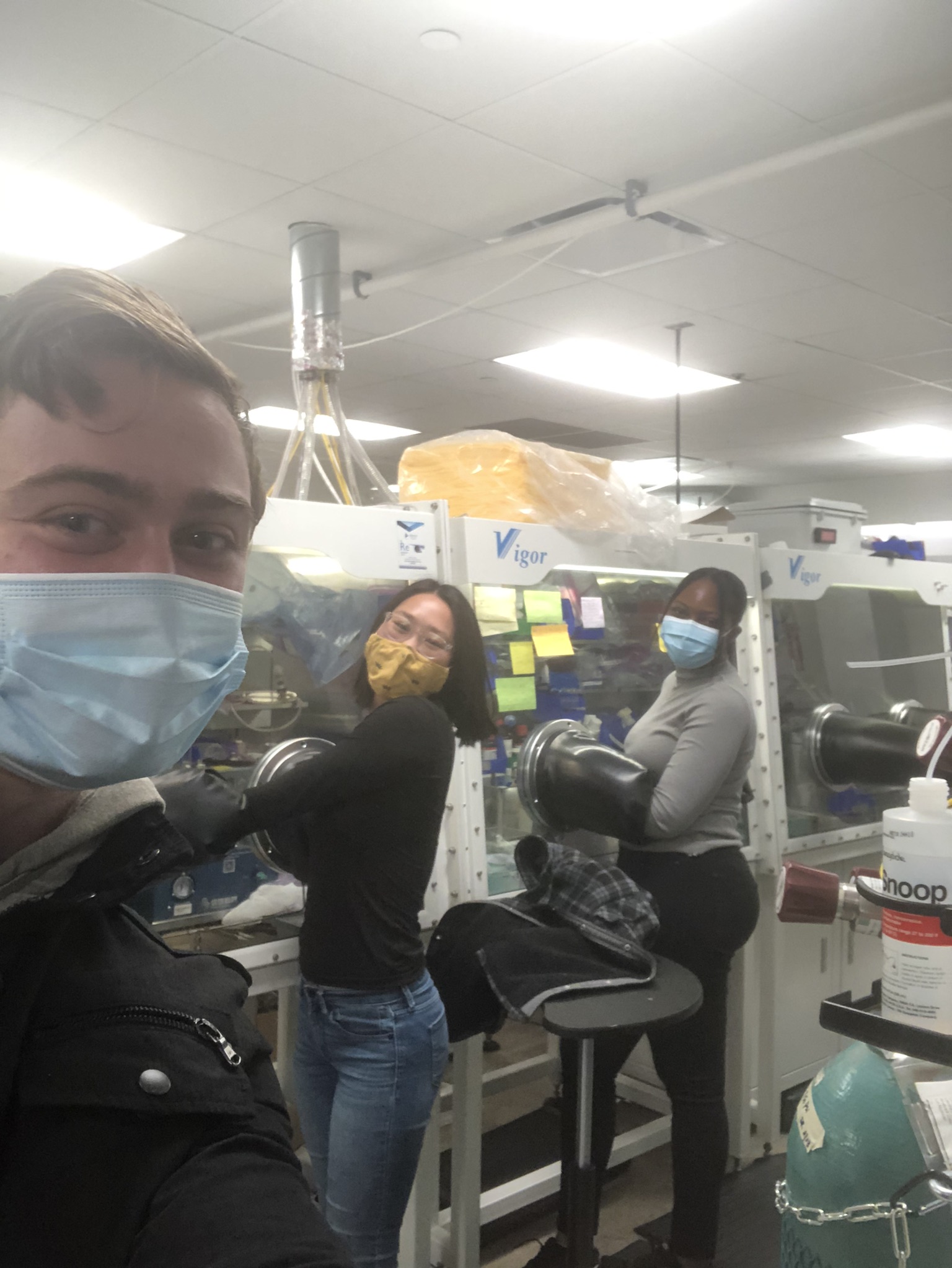
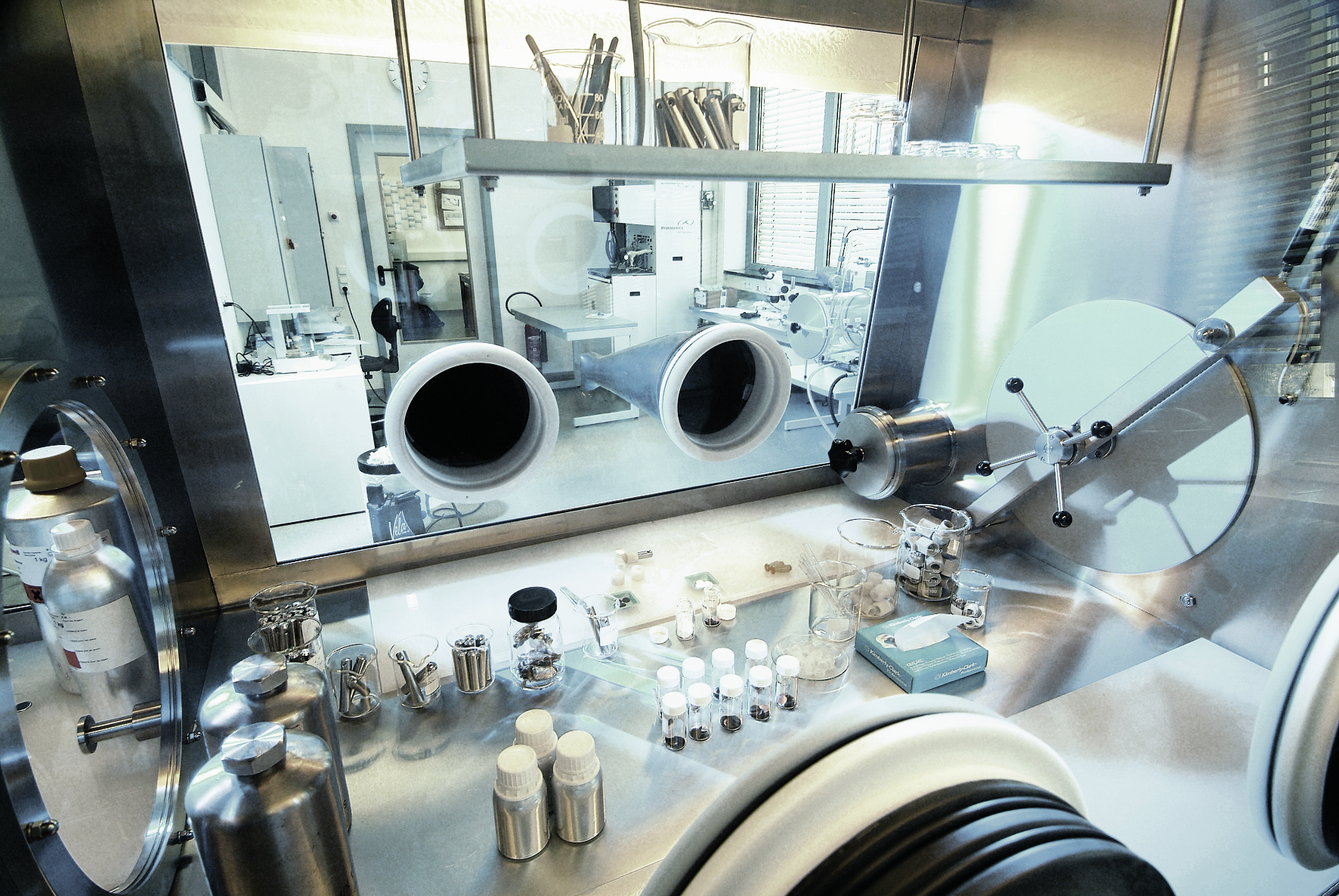
This was my first technical role and I was completely smitten by it. The vast majority of my time was spent in the materials lab, preparing experiments and collecting data. I was introduced to many basic industrial lab functions including standard operating procedures, safety reporting, and maintaining laboratory notebooks. I also learned several specialized skills such as glove box operation, high pressure gas handling, and coin cell fabrication.
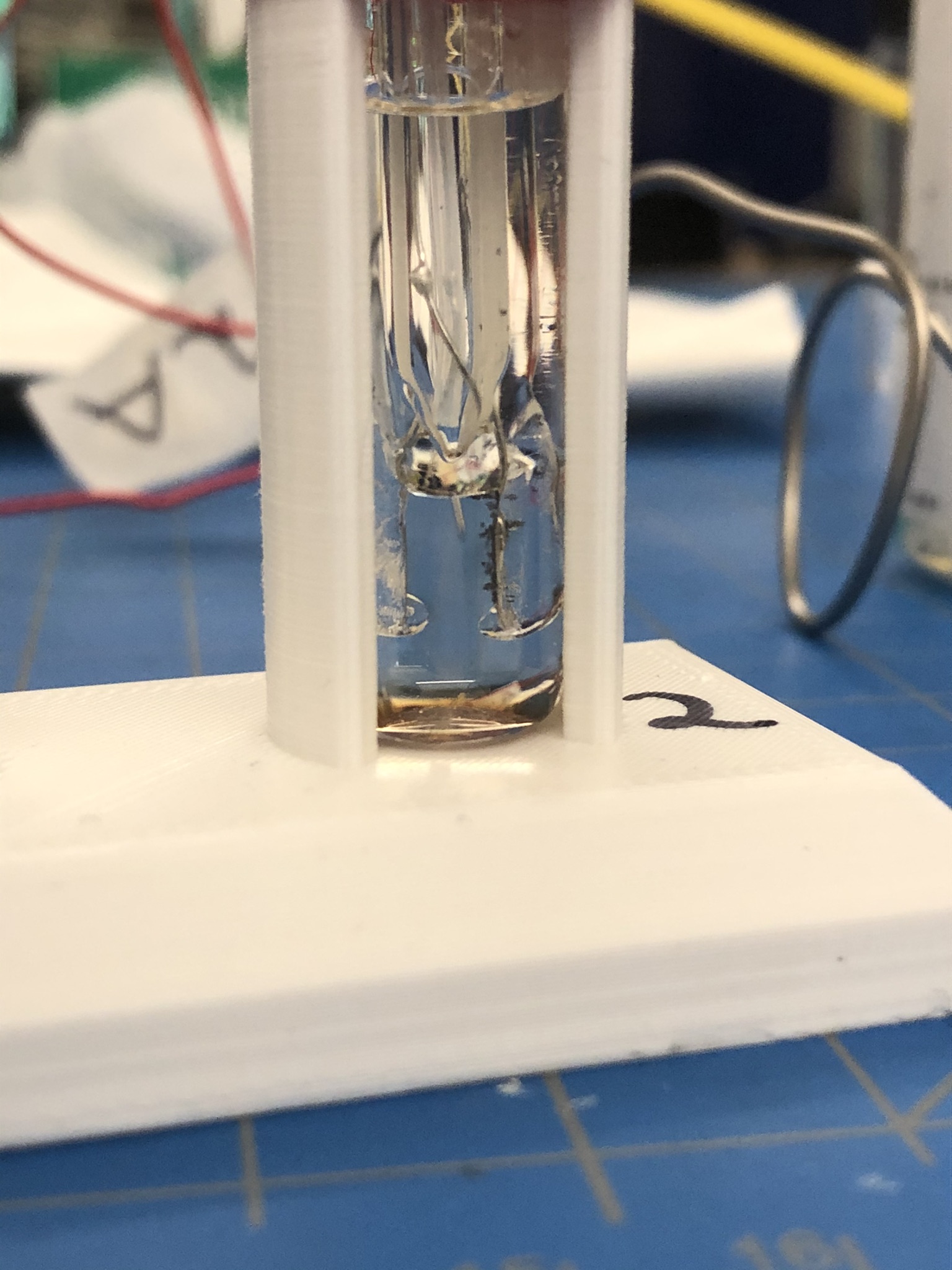
My work focused on improving Cuberg's novel liquid electrolyte formulation. I sought to increase plating homogeneity and minimize decomposition reactions within the electrolyte without diminishing its wetting and conductivity. I built and tested hundreds of coin cells and formulations. I ultimately contributed closely to our team's cell which broke an industry record at the time (May 2021) for lithium metal battery cycle life in a large (5 Ah) format.
I also gained a new (cautious) appreciation for scientific literature. Bi-weekly literature reviews, where I both presented and participated, taught me the importance of interrogating a paper's methods before evaluating its conclusions. P-hacking and manipulation are particularly rampant in battery research.
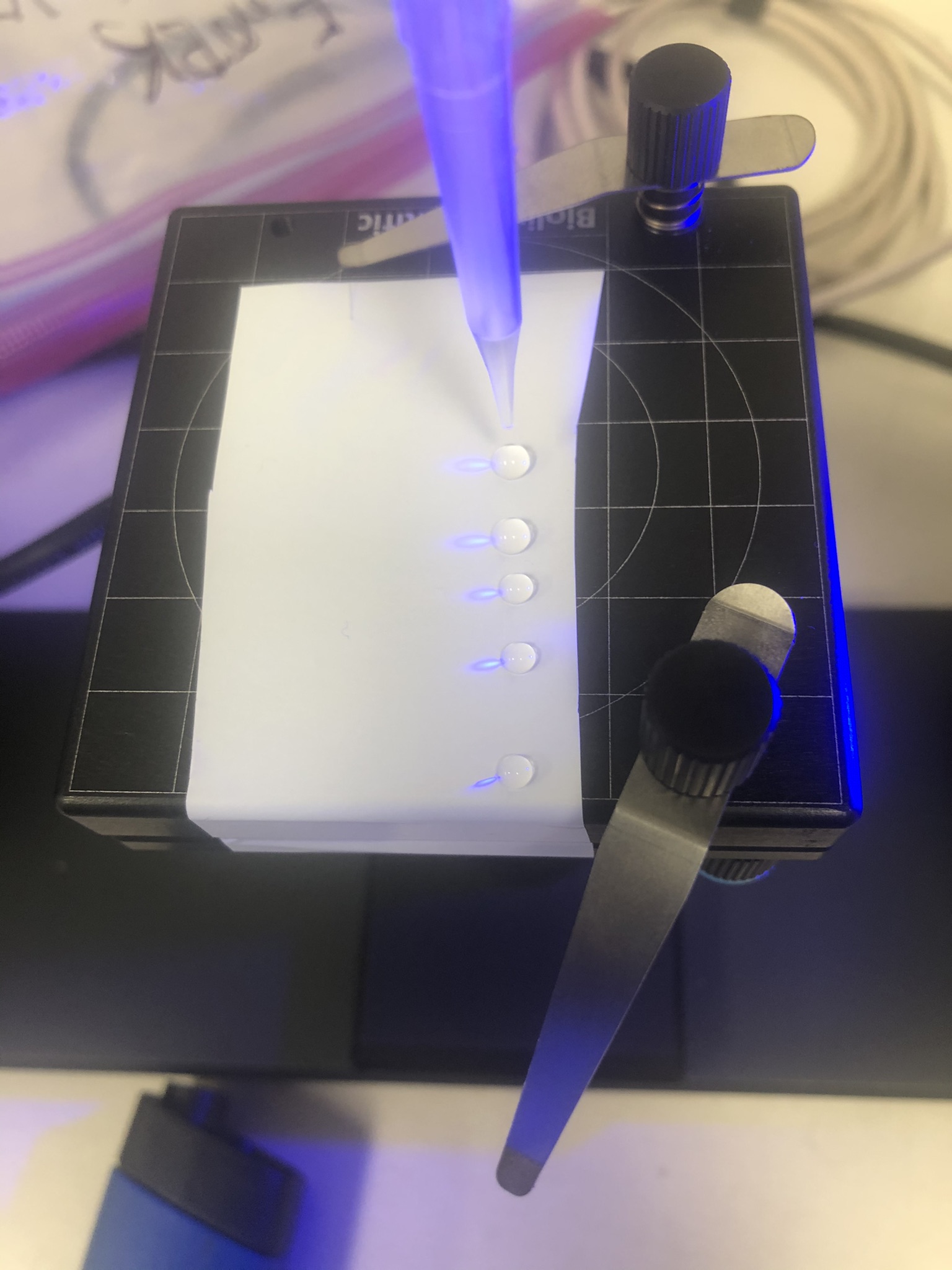
I kept this in mind while developing my primary research project: I established a high throughput screening (HTS) assay for electrolyte wetting. This required creating an image analysis script and standardized testing method to compare the merit of various cell compositions. I gave a final company-wide presentation which compared my analysis against other predictions of cell wetting and performance.
Culture
Cuberg had exactly the vibrant, fast-paced culture that one envisions from a Bay Area start-up. The constant influx of young professionals looking to make their impact on the world with technology was a wonderful environment to learn in. I appreciated how excited everyone was to come to work each day — and I equally appreciated the opportunity for extensive overtime.
During my employment, Cuberg was acquired by the large conglomerate Northvolt. Watching a company unveil and undergo an acquisition from the inside was an absolutely fascinating experience. I listened to the intellectual property discussions concerning our assets and saw how technical details translated to commercialization (or not).