Chemistry and Materials Science Co-op
Background
Draper began as a research group at MIT in 1933 and has since grown into one of the world's preeminent nonprofit defense R&D organizations. The organization's inertial guidance systems flew aboard the Apollo missions and their work continues across modern national security programs including the Trident submarine-launched ballistic missile and the Cygnus cargo spacecraft.
My Role
I worked as a chemist and materials scientist supporting aerospace systems validation. The defining difference from my other co-op experiences was the pace — Draper operates on the timescale of research rather than product development, which requires a different kind of rigor and patience. Projects are painstakingly documented, tolerances are tight, and the consequences of error are measured in national security terms.
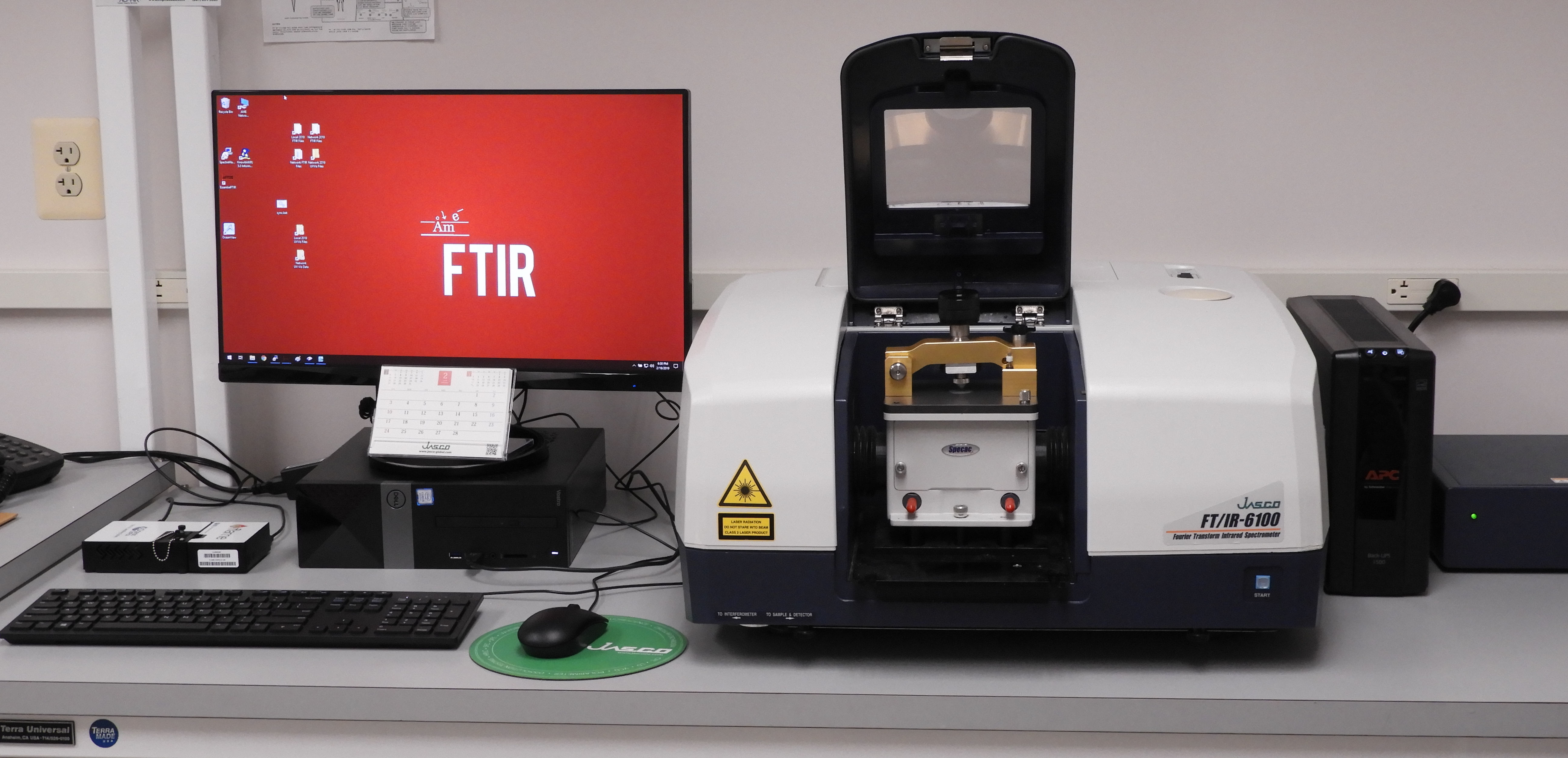
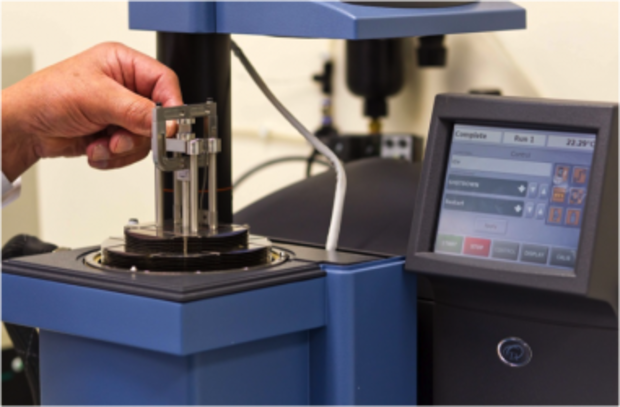
My primary work involved thermomechanical testing of materials used in aerospace systems. I operated a broad suite of analytical instruments including DSC, TGA, DMA, SEM, EDX, FTIR, and Raman spectroscopy. Learning to choose the right instrument for the question — and to read its limitations honestly — was one of the most transferable skills I developed.
I contributed to two independent research projects during my term. The first involved electrochemical plating process development for a classified component application. The second was a VBA programming project to automate data reduction for an aerospace power systems test bench — translating an engineer's manual workflow into a reliable, documented tool.
Culture
Draper is staffed by an exceptionally credentialed group of engineers and scientists, many with decades of domain expertise. The depth of institutional knowledge in the building is remarkable. Working alongside people who had personally contributed to programs I had only read about in textbooks was genuinely inspiring.
The organization's defense mission introduces real constraints. Export controls, security classifications, and need-to-know structures mean that work is necessarily siloed — it is common to spend months on a component without knowing its full system context. Time management is meticulous by necessity; government contracts run on strict deliverable schedules with little tolerance for scope drift.

I was invited to stay on part-time after my co-op concluded, which I accepted while continuing my undergraduate degree.