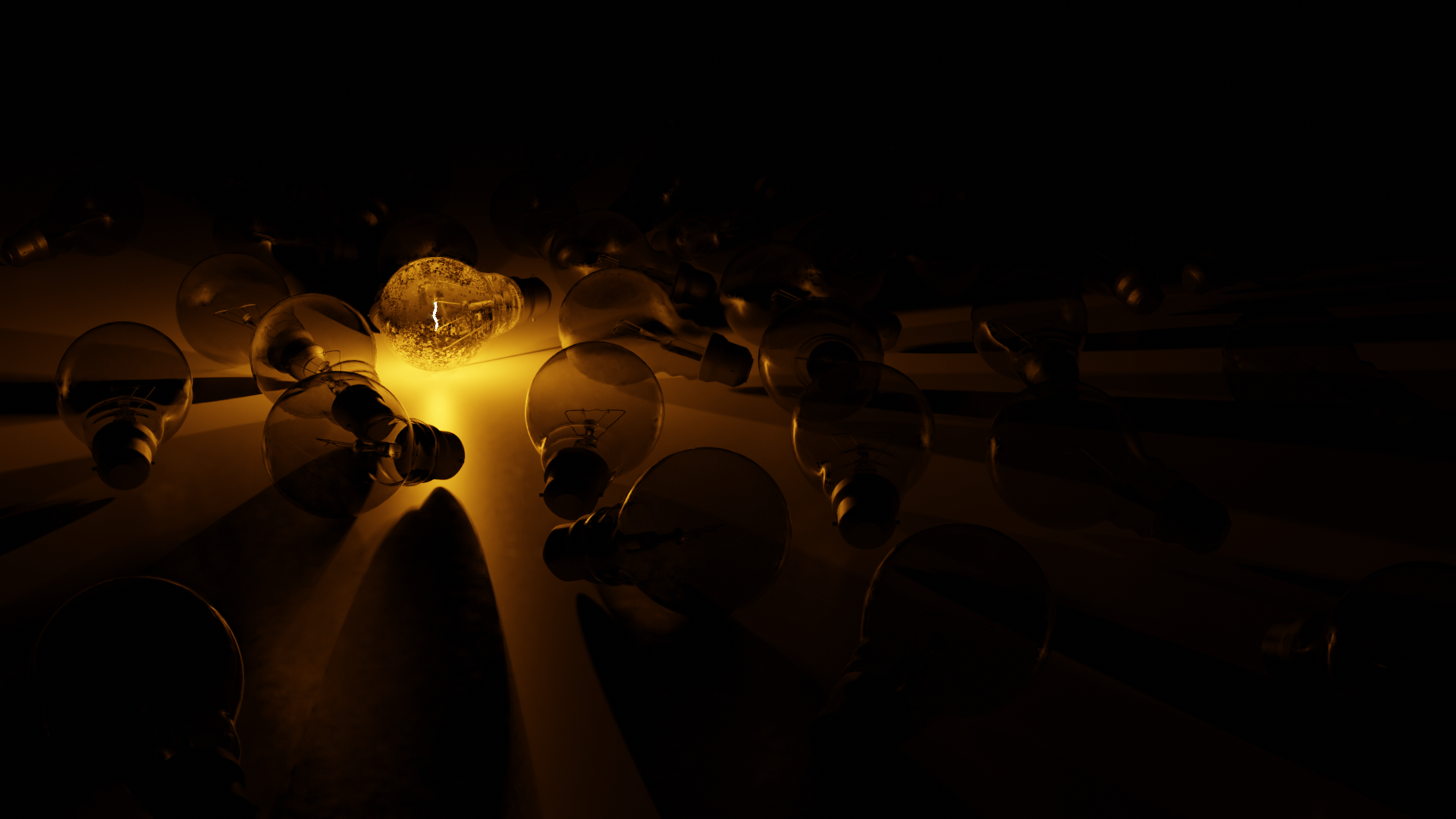
Digital Modeling
Background
I'm not a trained artist, but I've always been drawn to the process of making things look real. My first exposure to 3D modeling came through architecture CAD software in high school — just enough to understand the vocabulary. The rest came later, mostly during the coronavirus lockdown, when I had time to actually sit with Blender and learn it properly.
The appeal of Blender specifically is the same as engineering: there are real underlying rules (lighting physics, material properties, geometry), and the craft is in learning to manipulate them intentionally rather than by accident. I also picked up Onshape for mechanical CAD (which has crossed over into the Rubik's Robot project) and Adobe Illustrator for vector work.
Work
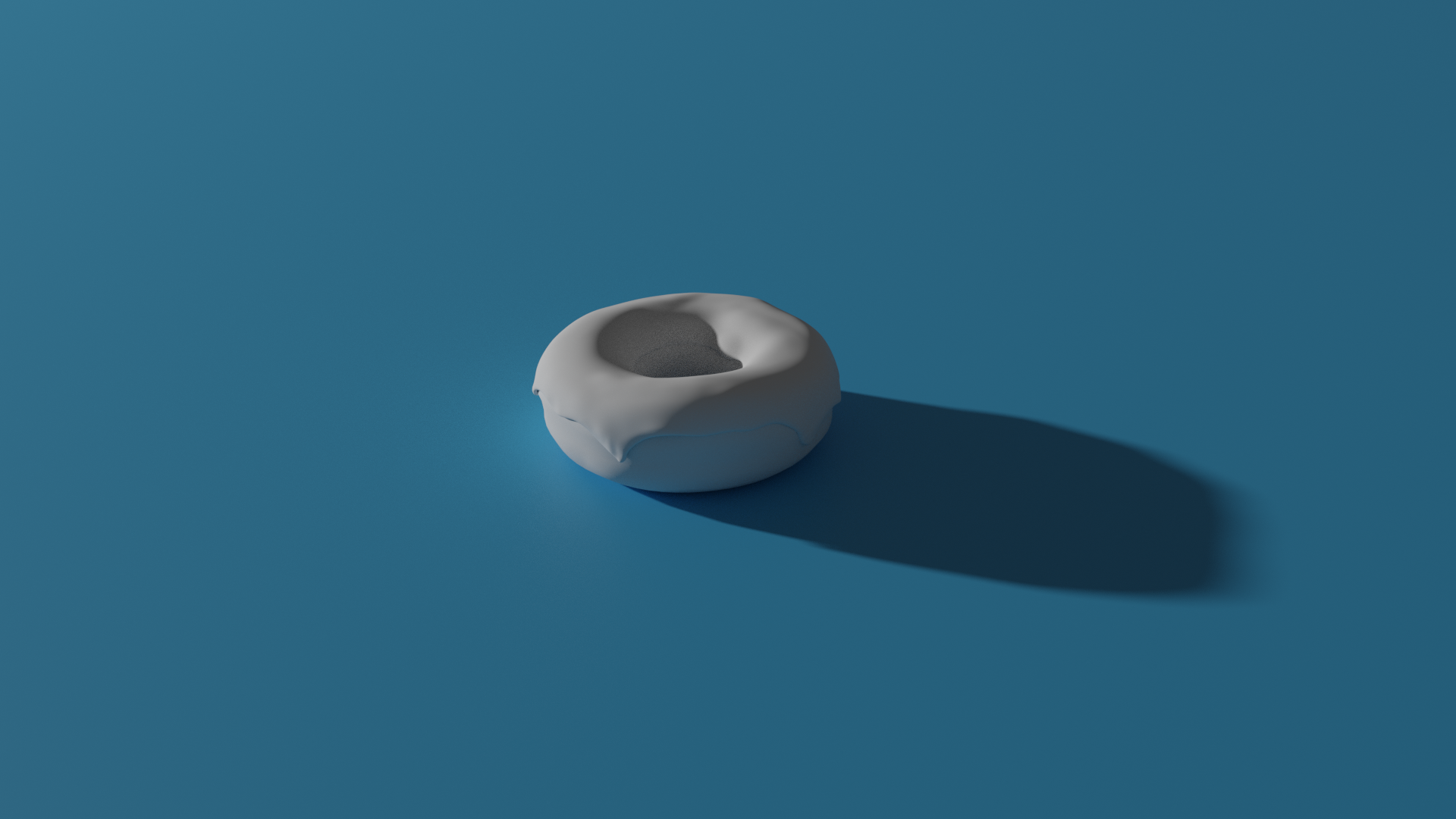
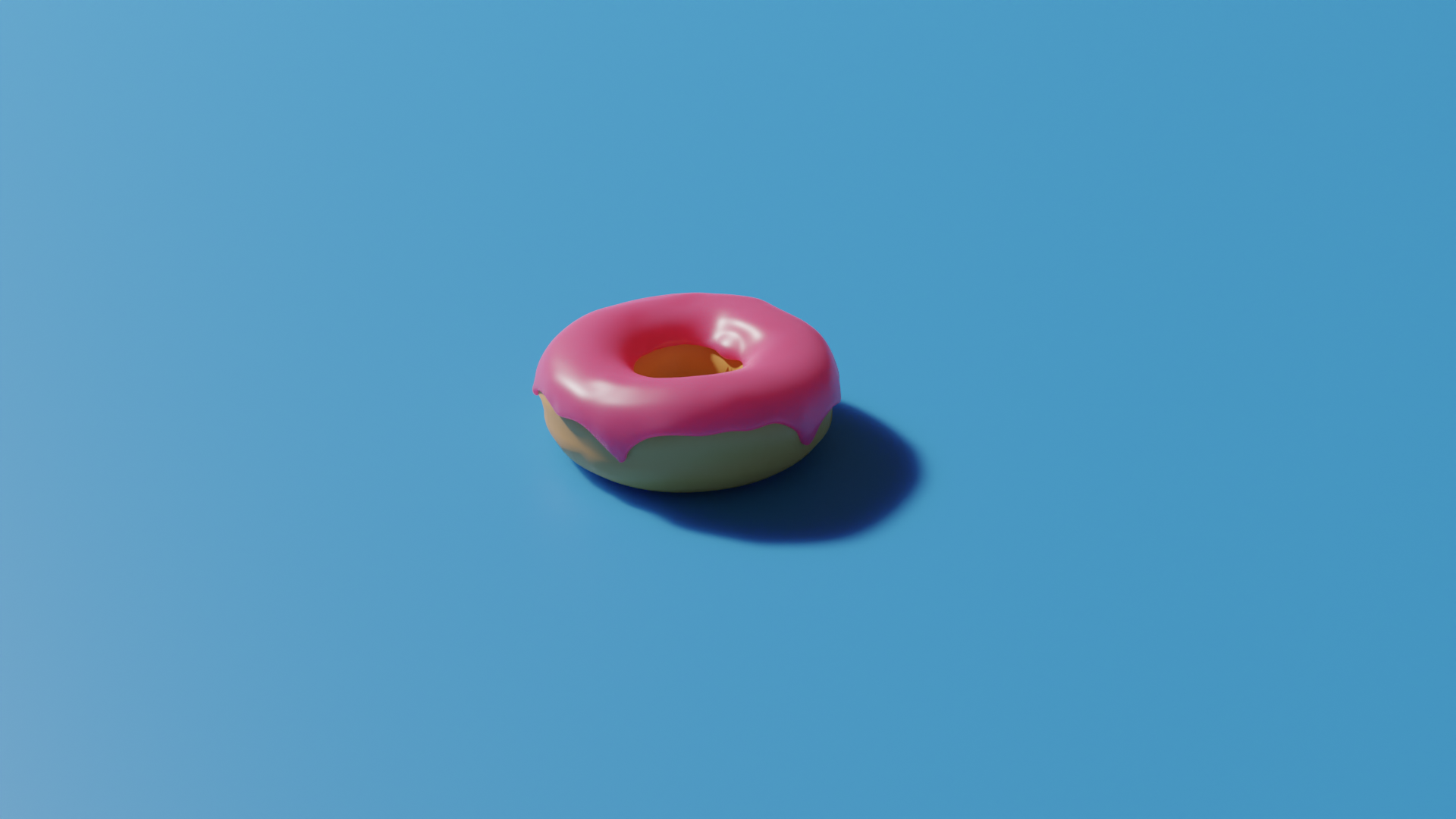
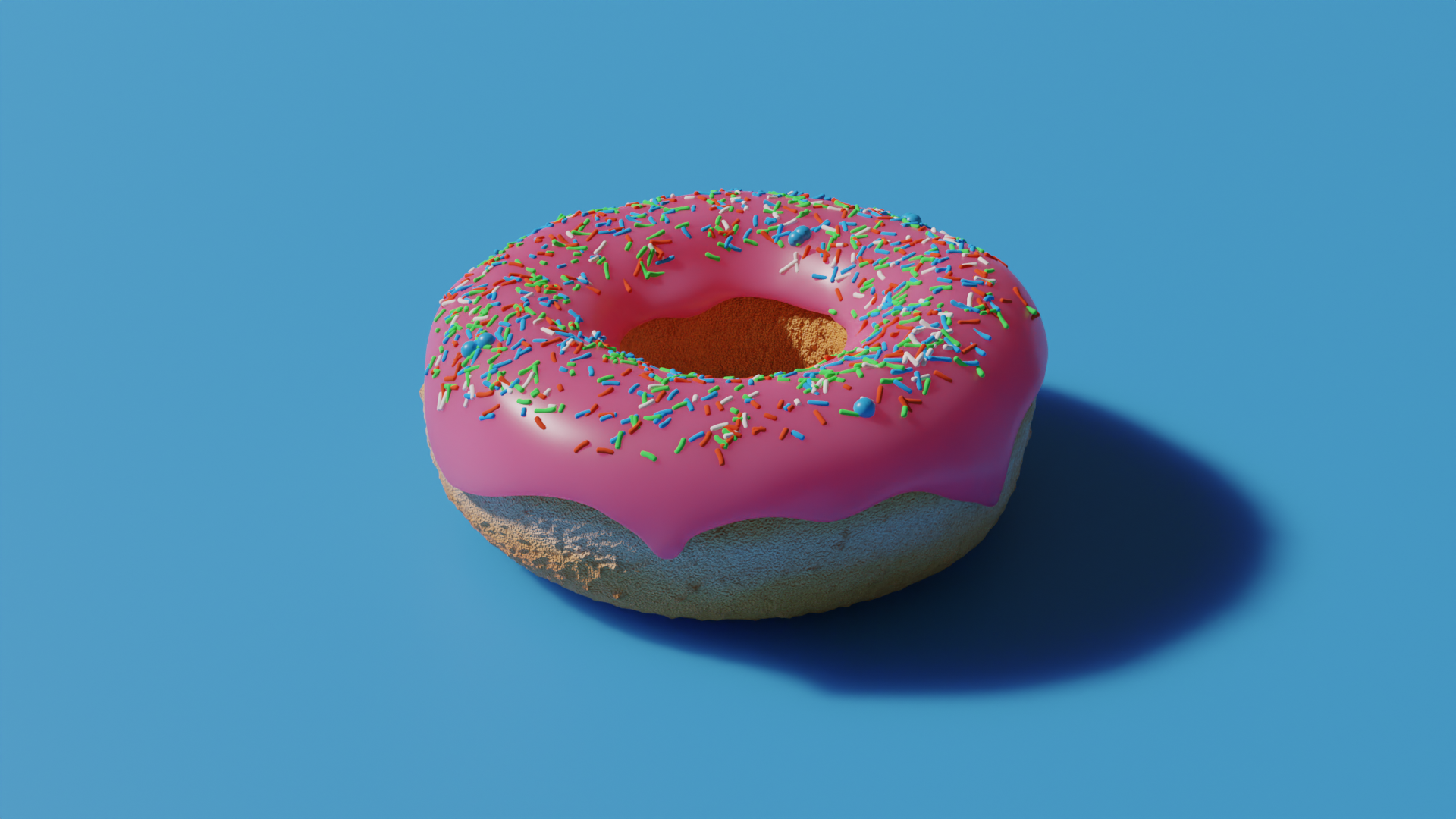
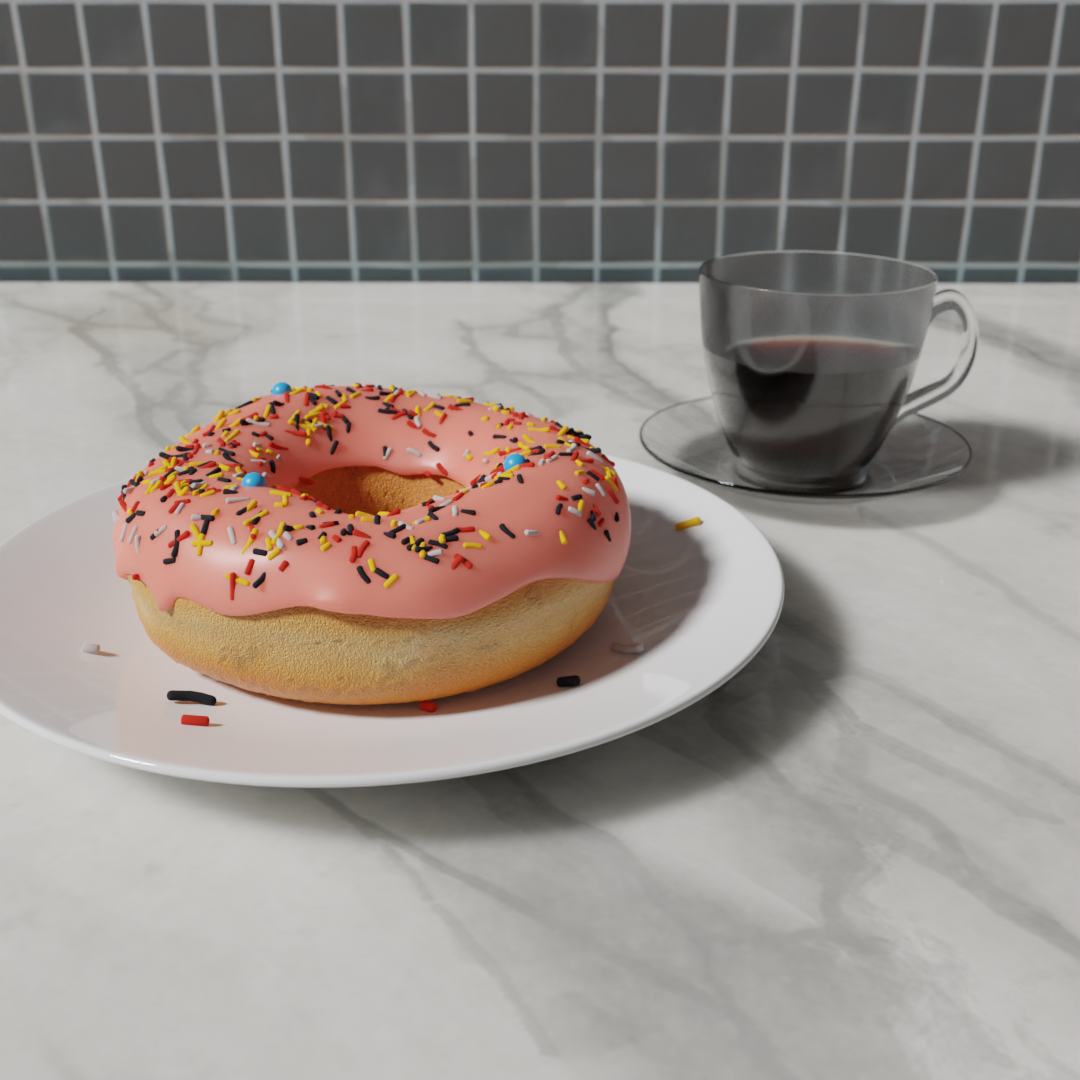
The classic entry point for Blender is the donut tutorial — a rite of passage for anyone learning the software. The progression from a basic torus to a photo-realistic glazed donut is genuinely instructive: it moves through modeling, sculpting, materials, lighting, and rendering in sequence, each building on the last.
Beyond tutorials, I've worked on renders from scratch and from project reference material. A ceramic mug was one of the first independent models — simple geometry, but a good exercise in material layering and caustic lighting.
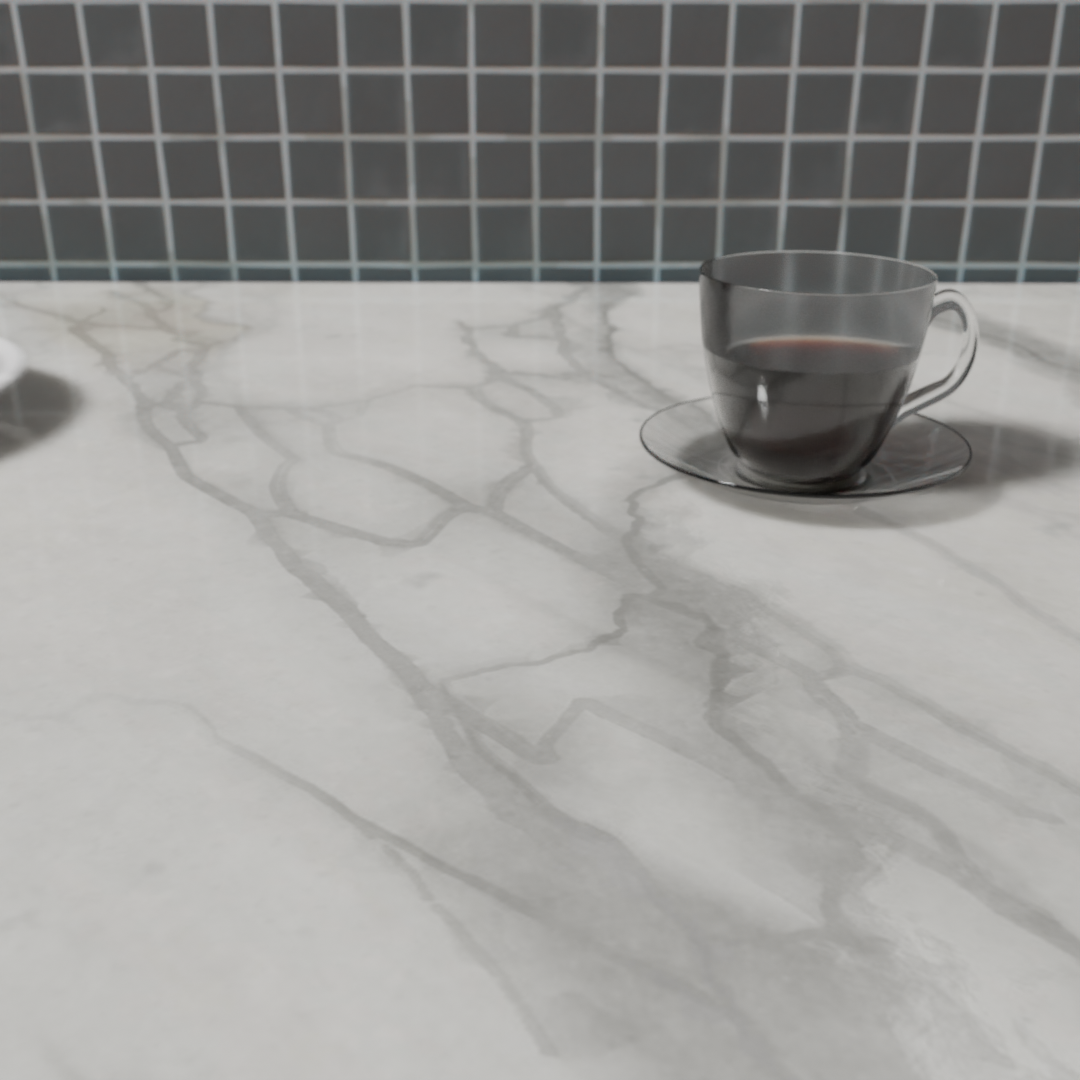
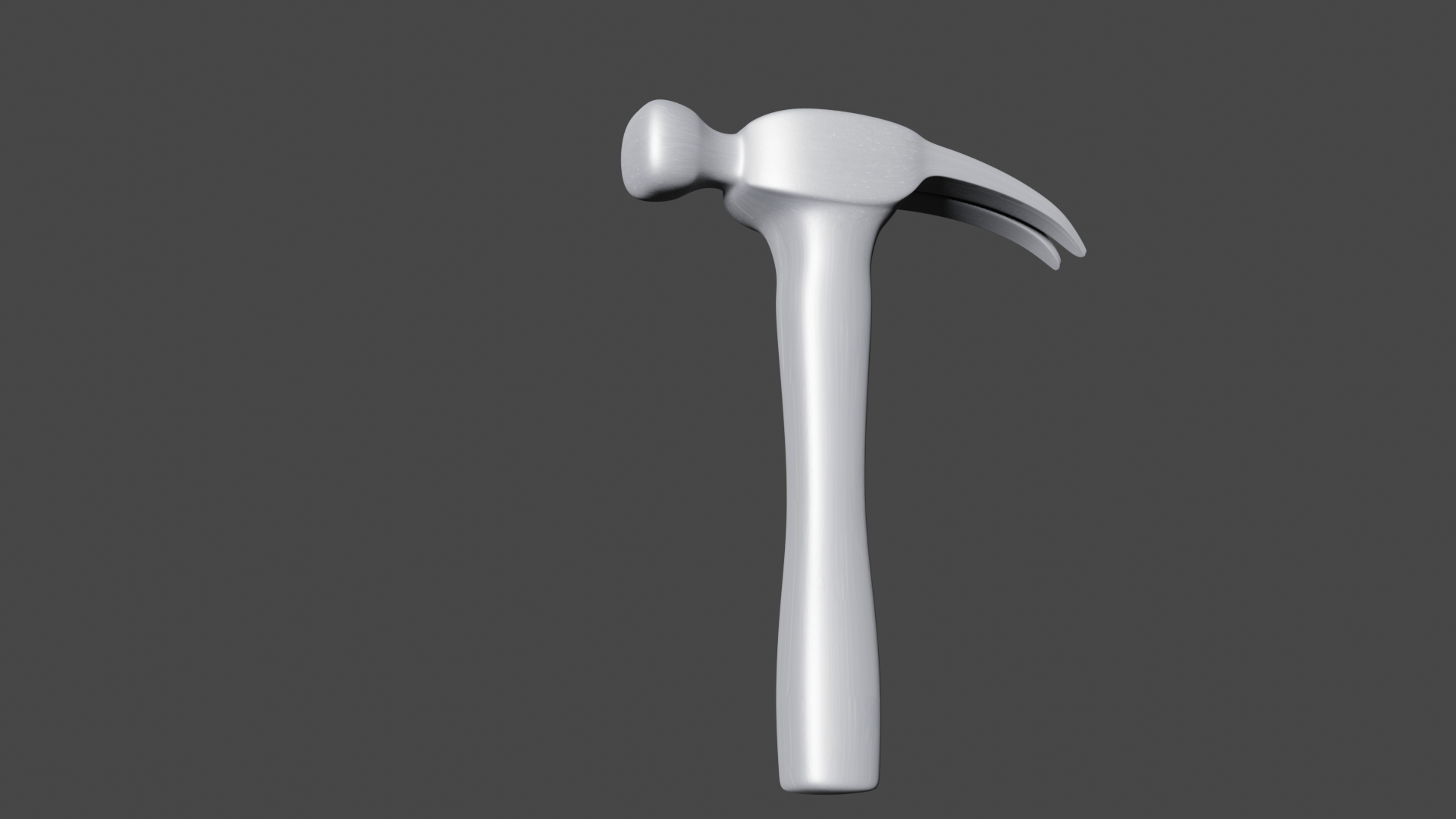
Harder surface materials have been the most interesting challenge. Metal requires getting specular reflection, roughness maps, and environmental lighting right simultaneously — any one of them off and the whole thing reads as fake.
I plan to continue using this as a creative outlet alongside technical work, and I'm interested in collaborating with peers on assets for games and engineering visualization projects.